How Long Do Peptides Last In The Refrigerator: Complete Refrigeration Overview
@edgarqjee832
November 10, 2026 · 3 min read
How Much Time Do Peptides Last In The Fridge: Full Refrigeration Overview
GHK-Cu provides one-of-a-kind considerations as a result of its copper binding. The tripeptide itself is steady, but the copper facility requires careful taking care of to preserve the metal-peptide organization. Storage under inert atmosphere assists preserve the full complicated.Storage Summary: Lyophilised Vs Reconstituted
It depends totally on exactly how you keep that powder, what amino acids comprise its series, and whether dampness has actually penetrated the vial at any type of factor throughout storage. Get these elements wrong and your eighteen-month-old peptide might currently be degraded past efficiency. Obtain them right and HPLC Testing you can be collaborating with sensible compounds years after acquisition. Icing up reconstituted peptide triggers ice crystal development that physically disrupts the peptide's structure, reducing pureness and potency.Understanding The Landscape Of "peptides 4 Life"
The GHK-Cu peptide is a copper-binding tripeptide, which copper atom adds an additional measurement of instability. Copper can militarize oxidation responses, potentially accelerating the degradation of the peptide it is bound to and also surrounding molecules. If you notice any type of cloudiness establishing during storage, aggregation might have begun, and the vial must be replaced. The TB-500 dose calculator can aid you prepare your reconstitution quantities to match your protocol length, lessening waste from run out vials.In peptides that rely upon certain disulfide bonding patterns for their three-dimensional framework, unrestrained disulfide formation can rush the structure. This rushing, called disulfide exchange, creates misfolded peptides that do not operate properly. That tiny percent of preservative inhibits bacterial development, keeping the remedy reasonably devoid of microbial contamination over several usages.The favorably billed nature of lots of CPPs plays an essential duty, facilitating interactions with the negatively charged elements of the cell surface. The area of molecular delivery has actually been reinvented by the development check here of cell-penetrating peptides (CPPs). Peptides have various shelf lives depending on their kind.

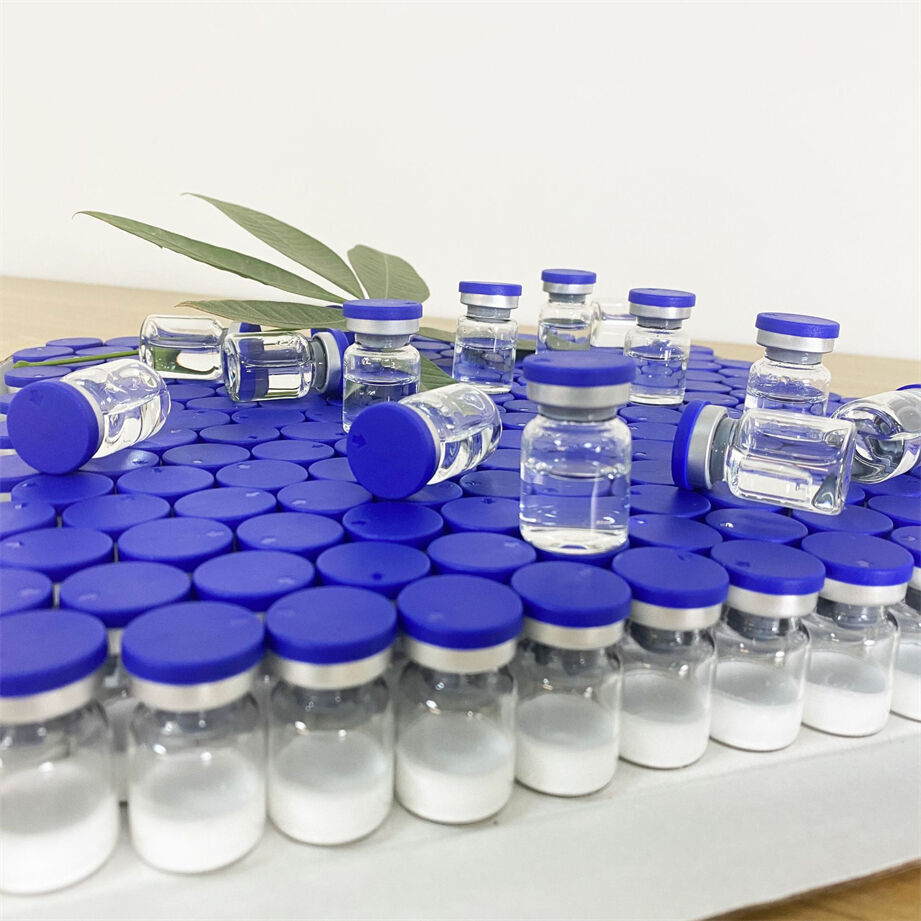
If your protocol asks for a 28-day supply and your vial consists of sufficient peptide for 60 days of dosing at your picked focus, do not reconstitute the entire vial at once. Reconstitute only what you can utilize within the stability window, or plan to aliquot and ice up the excess promptly. Maintaining peptide in lyophilized form is always the safest storage choice. Discover more regarding powder-form security to understand why this issues so much.
- Plan protocol timing around stability restrictions as opposed to compeling storage beyond advised periods.
- Lyophilized (powder) retatrutide is dramatically more secure than its reconstituted form.
- GHK-Cu and relevant copper-binding peptides existing unique considerations.
- Mass spectrometry recognizes specific chemical adjustments.
Reconstitute the total, divide right into regular aliquots in sterilized glass vials, ice up all other than the present week section, and thaw one new aliquot weekly. This is among the most efficient storage approaches for multi-week peptide cycles. Noticeable indicators consist of cloudiness, particles, discoloration, or unusual scent. Nevertheless, a lot of deterioration is unnoticeable at the molecular degree. Adhere to storage timelines purely and discard any kind of vial that has actually surpassed its suggested service life, despite look.
Although lyophilized peptides tolerate space temperature for shipping, they start deteriorating more quickly outside controlled problems. Relocate them to your fridge freezer or refrigerator as promptly as useful. An effectively lyophilized peptide maintains its porous, cake-like structure. Collapse of this structure or development of crystalline areas suggests storage problems were not ideal. TB-500 likewise shows excellent storage space security when effectively lyophilized. The typical service life encompasses twelve months or longer at suitable temperature levels.